2026年6月6日 SAT 考試結束後,許多學生最關心的問題通常是:「這次考試到底難不難?」而對家長來說,更重要的問題其實是:「這次考試透露了哪些備考趨勢?孩子接下來應該怎麼準備?」
從本次考情來看,6月 SAT 和前幾次考試相比,確實出現了一些值得注意的變化。英文讀寫部分難度明顯提高,尤其是在字彙、主旨題、推論題與文法細節上,都更考驗學生的閱讀深度與句構判斷能力。數學部分則不像部分學生對5月考試的印象那樣相對友善,而是回到較接近 SAT 原本高標準的難度。
對正在準備 Digital SAT 的學生來說,這次考試傳達的訊息很清楚:SAT 不能只靠短期刷題。學生需要建立穩定的閱讀理解能力、語法分析能力、數學建模能力,以及面對新題型時的判斷力與素養。
以下 AEI 針對本次 2026年6月 SAT 考試,整理出幾個重要觀察與備考建議。
英文讀寫:字彙難度提高,語意判斷變得更重要
本次 SAT 英文部分最明顯的變化之一,是字彙難度上升。考卷中出現了如 indispensable(不可或缺的)、discontinuous(不連續的)、serendipity(不期而遇的福氣)、disparity(懸殊差異)、anachronistic(時代錯誤的)、contingent(視…而定的)、milieu(社會環境) 等較高階的字彙。這些單字不只考學生是否知道中文意思,更考驗學生能否在上下文中判斷語意關係。
值得注意的是,這次也出現以「較長片語」取代單一單字的題型,預示著美國大學理事會(College Board)未來可能更青睞這種新型態的題型。學生未來不能只把 Words in Context 當成單字題來準備,而是要理解整句話的邏輯與語氣。如果學生只背單字表,卻不熟悉字詞在句子中的功能,遇到這類題目時就容易失分。
AEI 建議,學生在準備 SAT 字彙時,應該從三個方向加強:
第一,建立高頻學術字彙與抽象字彙的理解能力。SAT 常見的字彙並不一定都是冷僻字,但通常具備較強的學術語境,例如描述關係、態度、程度、限制、變化或因果。
第二,練習在句子中判斷語意。學生要能辨識空格前後的轉折、對比、因果或補充關係,而不是只看到選項就直接套中文意思。
第三,增加高品質英文閱讀量(如《經濟學人》、《科學人》)。科學、歷史、社會議題、文化評論等題材,都能幫助學生熟悉 SAT 常見的學術語氣與句型結構。
主旨題回歸:學生需要更快抓住文章核心
本次考試中,Main Idea 題型的比例有明顯增加。這對學生來說是一個重要提醒:SAT 閱讀不只考細節,也越來越重視學生能否快速掌握文章的核心目的。
很多雙語學校的學生在閱讀 SAT 文章時,習慣逐句翻譯,但如果沒有抓住整段文章的主軸,就容易在主旨題或 Purpose 題上猶豫。尤其當文章資訊量高、句子結構複雜時,學生可能看懂了單句,卻不清楚作者整體想表達什麼。
AEI 建議學生在練習閱讀時,可以養成一個習慣:每讀完一段,就用一句話概括它的目的。例如,這段是在介紹背景、提出問題、比較觀點、反駁前人說法,還是支持某個主張?
如果學生能在閱讀過程中同步判斷段落功能,Main Idea 題就不會只是憑感覺選答案,而是能根據文章結構做出更穩定的判斷。
推論題兩極化:細節判斷與時間線更容易成為陷阱
本次推論題呈現出兩種難度。一部分題目屬於較基礎的關係理解,只要學生能掌握句子之間的邏輯,就可以穩定作答;另一部分則明顯更細緻,要求學生精準核對文章中的日期、時間順序或具體資訊。
這類題目容易讓學生產生錯覺。文章看起來不難,選項也都好像合理,但正確答案往往藏在非常細的資訊差異中。例如某個事件發生的時間、研究對象的範圍、作者說法的限制條件,或是不同年份之間的先後關係。
因此,學生在做推論題時,不能只抓大意。遇到日期、數字、比較對象、研究結果與限制條件時,都要特別留意。SAT 很常透過這些細節設計干擾選項,考驗學生閱讀文章時的細心程度。
AEI 建議學生在練習時,遇到含有年份、數字或時間順序的文章,可以在草稿紙或腦中建立簡單時間線。這個習慣能幫助學生更快排除看似合理但細節不符的選項。
文法題:冒號、修飾語與句構判斷成為重點
本次考試中,Rhetorical Synthesis 題相對簡單,對熟悉題型任務的學生來說,應該屬於較容易拿分的部分。這類題目主要測試學生是否能根據題目要求,選出最符合寫作目的的句子。只要學生熟悉題目指令,例如 emphasize、introduce、support、compare 等,就能有效提高準確率。
相比之下,文法與句構題更值得注意。本次考試出現多題與冒號、修飾語位置、雙動詞錯誤相關的題目,也出現比以往更明顯的 misplaced modifier 題型。這表示 SAT 文法題仍然不是單純背規則,而是要求學生看懂句子結構。
以冒號為例,學生不能只記得「冒號後面可以補充說明」,還要知道冒號前方必須能形成完整句。若前方不是獨立子句,即使語意合理,也可能是錯誤選項。
修飾語題則更考驗學生是否能判斷「誰在做這個動作」或「這個描述應該修飾哪個名詞」。如果修飾語位置不正確,句子可能會在文法上產生錯誤或語意混亂。
AEI 建議學生在文法準備上,務必加強以下幾個觀念:
- 主詞與動詞的對應關係
- 獨立子句與非獨立子句的判斷
- 冒號、分號、逗號與破折號的使用條件
- 修飾語應該靠近被修飾對象
- 每個子句中只能有清楚且合理的主動詞結構
如果學生只是背標點符號規則,而沒有真正理解句子結構,遇到較長或較複雜的句子時仍然容易失分。
數學:6月難度回升,不能用5月考情當標準
如果學生聽說2026年5月 SAT 數學相對簡單,這次6月考試就提醒大家:SAT 數學難度會波動,不能把某一次較簡單的考試當成長期標準。
本次數學部分已經回到較接近正常高標準的難度。對數學基礎穩定、平時有練習中高難度題目的學生來說,仍然可以應對;但如果學生只準備基本題型,或過度依賴 Desmos 與公式套用,遇到高分段題目時就可能感到吃力。
AEI 建議學生在備考時,不要只追求做題數量,而要確保自己能處理不同表達方式的題目。SAT 數學常常不會直接問公式,而是把概念放進文字題、圖表題或應用情境中。學生需要看懂題目在問什麼,再選擇適合的方法解題。
幾何與進階代數:角柱體、三角形與二次方程式值得加強
本次數學題型中,圓形題目相對較少,取而代之的是多題與角柱體相關的立體幾何題。此外,較高難度的三角形與二次方程式也出現在後半段高分題組中。
這提醒學生,SAT 數學不能只依賴近期常見題型。即使某個單元過去出現頻率較高,也不代表其他單元可以忽略。尤其立體幾何、三角形、二次方程式這類題目,常常會在高分區間中拉開差距。
在幾何部分,學生應熟悉角柱體的體積、表面積、側面積,以及不同單位之間的轉換。遇到圖形題時,也要能從文字描述中建立正確圖像。
在代數部分,二次方程式不只會考解方程,也可能考頂點、最小值、根的關係、因式分解、函數轉換或不同形式之間的意義。學生若只會機械計算,遇到變形題時容易卡住。
AEI 建議學生在數學複習中,把幾何與進階代數列為固定複習項目,而不是等到考前才集中補強。
百分比應用題:閱讀理解會直接影響數學表現
本次數學中也出現較難的百分比應用題。這類題目表面上看起來是基本運算,但實際上非常考驗學生是否能精準理解題目語言。學生必須非常清楚
「…的百分之幾(percent of)」與「增加了百分之幾(percent increase of)」在數學意義上的本質區別。
如:
“X percent of Y”
代表 Y 的 X%,也就是 (X/100) × Y。
“an X percent increase of Y”
代表在 Y 的基礎上增加 X%,也就是 (1 + X/100) × Y。
這兩者看似相近,數學意義卻完全不同。如果學生沒有讀清楚題目,很可能算出錯誤結果。
這也再次說明,SAT Math 並不只是數學考試,也包含很強的閱讀理解與建模能力。學生需要把文字正確轉換成方程式,才能穩定解題。
AEI 建議學生平時練習應用題時,不要急著按計算機,而是先把題目中的關係翻譯成數學式。尤其遇到 percentage、increase、decrease、of、more than、less than、ratio、rate 這些字詞時,都要特別小心。
官方題型與近年考點仍是最重要的備考資源
本次考試還有一個值得注意的現象:不論英文或數學,出現了大量過去兩年內考過的真題。市面上有些模擬題雖然題量多,但邏輯、語氣或難度設計不一定貼近正式 SAT。若學生花太多時間在品質不穩定的題目上,反而可能養成錯誤判斷方式。
最寶貴的複習資源除了 College Board 官方釋出的考題之外,每次考後的弱項分析也同樣重要。知道弱項之後,才會有更精準的備考方向以及明顯節省時間。只有真正知道痛點在哪裡,才能對症下藥,有效地提升分數!
AEI Digital SAT 模考系統:讓備考更有方向
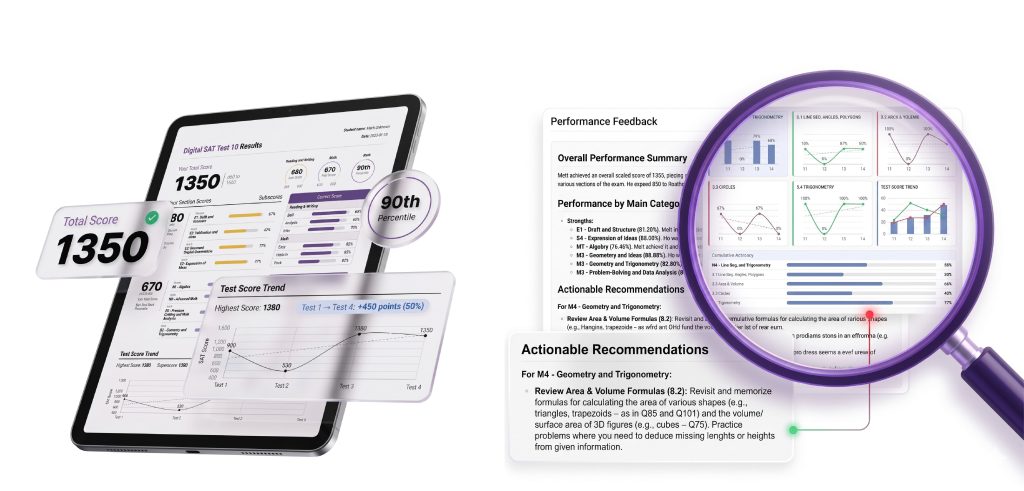
AEI Digital SAT 模考系統完整模擬正式機考環境,題庫由專業出題團隊研發,並依據最新考題變化定期優化與更新。系統每月新增一份 SAT 模考,讓學生能持續接觸貼近正式考試的題目,熟悉考試節奏與題型變化。對於想衝高分的學生來說,單看總分往往不夠。AEI 系統將 SAT 能力表現進一步細分為 8 大能力類別與 31 種題型,透過正確率分布、分數趨勢圖、能力成長圖與題型準確率追蹤,幫助學生精準掌握強弱項,確認哪些能力已經穩定,哪些題型仍有提分空間。除此之外,AEI Digital SAT 模考系統將考題類型細分類為31種,讓學生更能掌握自己較弱的題型,並針對該題型加強練習,節省時間並看到更顯著的提分效果。
給家長與學生的備考建議
從本次 2026年6月 SAT 考情來看,未來備考可以抓住幾個方向。
英文方面,學生需要加強高階字彙、片語語意、主旨判斷、推論細節與句構分析。尤其在 Words in Context、Main Idea、Inference 與 Grammar 題型中,閱讀精準度會直接影響得分。
數學方面,學生不能只準備基本代數。立體幾何、三角形、二次方程式、百分比應用題與文字建模都需要穩定練習。尤其對目標高分的學生來說,高分題組往往不是公式難,而是題目包裝更複雜。
最重要的是,SAT 備考不應只看某一次考試難度。5月數學偏簡單,不代表6月也會簡單;某次文法題偏容易,也不代表下一次不會加強句構考點。學生要建立的是能應對不同考試版本的穩定能力。
對準備下一場 SAT 的學生來說,現在最重要的不是焦慮考試變難,而是把每一次考情轉化為備考方向。當學生能穩定掌握閱讀邏輯、文法結構與數學概念,即使題型出現變化,也更能在考場上保持穩定表現。
Fresh Off the Press: What Was on Today’s SAT? (June 6, 2026)
Whether you are a student who just walked out of the testing center or a parent trying to help your child navigate the college admissions maze, today’s SAT had some major surprises—and some predictable patterns. The June 2026 test shifted gears from previous months, mixing tough vocabulary with a return to standard difficulty for Math. Here is your ultimate breakdown of what appeared on today’s exam and how to use it to your advantage.
Part 1: Reading & Writing
1. Vocabulary and Structure Shift
High-level vocabulary took center stage today. Students faced words like indispensable, discontinuous, serendipity, disparity, anachronistic, contingent, and milieu. Crucially, one question featured a longer phrase instead of a single word, signaling a potential new format College Board might favor moving forward.
- Actionable Advice: Don’t just memorize single-word Start practicing how long phrases function contextually within short blanks. Read high-quality periodicals (The Economist, Scientific American) to absorb words naturally.
2. Main Idea & Deep Inferences
Unlike most SAT exams in recent years, this test leaned heavily into “Main Idea” questions. Furthermore, the Inference questions split into two camps: straightforward relationship questions, and ultra-tricky ones that required matching very specific dates within the text.
- Actionable Advice: When reading, train yourself to summarize each paragraph’s core purpose in 5 words or less to master main idea questions. For inference questions, pay absolute attention to numbers, timelines, and dates—they are often the anchor of the correct answers.
3. Grammar Hacks & Rhetorical Easy Wins
Rhetorical synthesis questions were unusually easy—some of the easiest ever seen—suggesting a potential phase-out or shift away from this type of question. However, grammar made up for it with tricky colon usage, “double verb” modifier traps, and two misplaced modifier questions, which is more than the usual share.
- Actionable Advice: Master your punctuation rules (especially colons vs. semicolons). When checking verbs, ensure every clause has exactly one main verb and that modifiers aren’t mistakenly separated from the subject they describe.
Part 2: Math
1. Back to Standard Difficulty
If you heard that the May 2026 test was a breeze, don’t let your guard down—the June test returned to its standard, rigorous difficulty level.
- Actionable Advice: Treat easier test cycles as anomalies. Always train using standard and advanced-level materials so you are never caught off guard by a tougher curve.
2. Geometry & Advanced Algebra
Circles took a backseat today, replaced by multiple questions on three-dimensional prisms. Triangles and advanced quadratic equations dominated the harder modules.
- Actionable Advice: Drill 3D geometry formulas and quadratic equations until they are second Don’t over-index on circles just because they are common; make sure your prism formulas are memorized.
3. Deceptive Percentage Problems
The test included very difficult percentage questions that required students to deeply understand word problems. Specifically, you must know the difference between the “percent of” a value versus the “percent increase of” a value.
- Actionable Advice: Translate English to math carefully: “X percent of Y” is (X/100)(Y), while “an X percent increase of Y” is (1 + (X/100))(Y)
The Ultimate Golden Secret: Repeated Questions
Perhaps the biggest takeaway from today’s test across BOTH English and Math modules was the high volume of repeated questions from past SAT papers over the last two years.
- Actionable Advice: Your primary and most valuable resource must always be official College Board materials and real past exam papers, combined with a testing system that offers you insight: which question types are you still performing poorly on, which question types have you seen significant improvement after targeted practice, etc. Insightful test analytics will help you save time in preparing for the test because students can then do targeted practice, focusing on their weakest question types. Reviewing your past mistakes is the single fastest way to boost your score!
AEI Digital SAT: Powerful and Insightful Analytics
The AEI Digital SAT mock test system fully simulates the official computer-based testing environment. Its question bank is developed by a professional team and is regularly optimized and updated based on the latest test changes. A new SAT mock test is added monthly, allowing students to continuously engage with questions closely resembling the actual exam, familiarizing themselves with the test pace and question format changes. For students aiming for high scores, simply looking at the total score is often insufficient. The AEI system further subdivides SAT ability performance into 8 major question categories, which are further split into 31 question types. Through accuracy distribution, score trend graphs, category growth graphs, and question type accuracy tracking, AEI’s Digital SAT system helps students accurately identify their strengths and weaknesses, confirming which abilities have stabilized and which question types still have room for improvement, allowing students to better identify their weaker question types and focus their practice on those types, saving time and seeing more significant score improvements.
 想了解更多SAT課程?歡迎聯繫 AEI 亞美國際教育!
➠ Zhongxiao Branch 02-8773-8086
 讓顧問1對1為您服務